

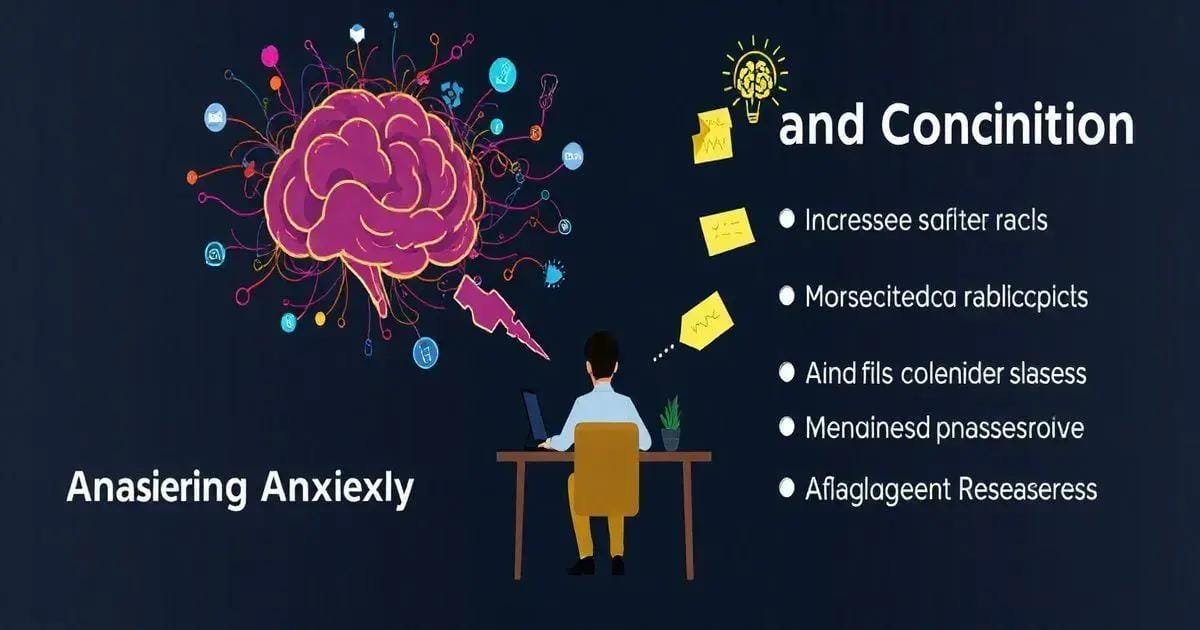
A anxiety and cognition are deeply interconnected, affecting the way we think and feel.
Many people face daily challenges due to anxiety, which can impair mental clarity and the ability to focus.
In this article, we'll explore how anxiety manifests itself, its influence on cognitive processes and some practical strategies for managing these effects.
If you've ever felt overwhelmed or had trouble concentrating, this content is for you!
A anxiety is our body's natural response to situations of stress or danger. It can manifest itself in various ways, both physically and emotionally. We often feel a tightness in our chest, excessive sweating or even a racing heart. These are signs that our mind is on alert, trying to protect us from something we perceive as a threat.
There are different types of anxiety, such as generalized anxiety, which is characterized by excessive worry about various day-to-day issues, and the panic disorder, which brings on sudden and intense panic attacks. In addition social phobia is another type, where the person feels an intense fear of being judged in social situations.
These manifestations can affect quality of life, making simple tasks such as leaving the house or interacting with other people a real challenge. It's important to recognize these signs and understand that anxiety is more than just an emotional state; it's a condition that can be treated and managed with the right support.
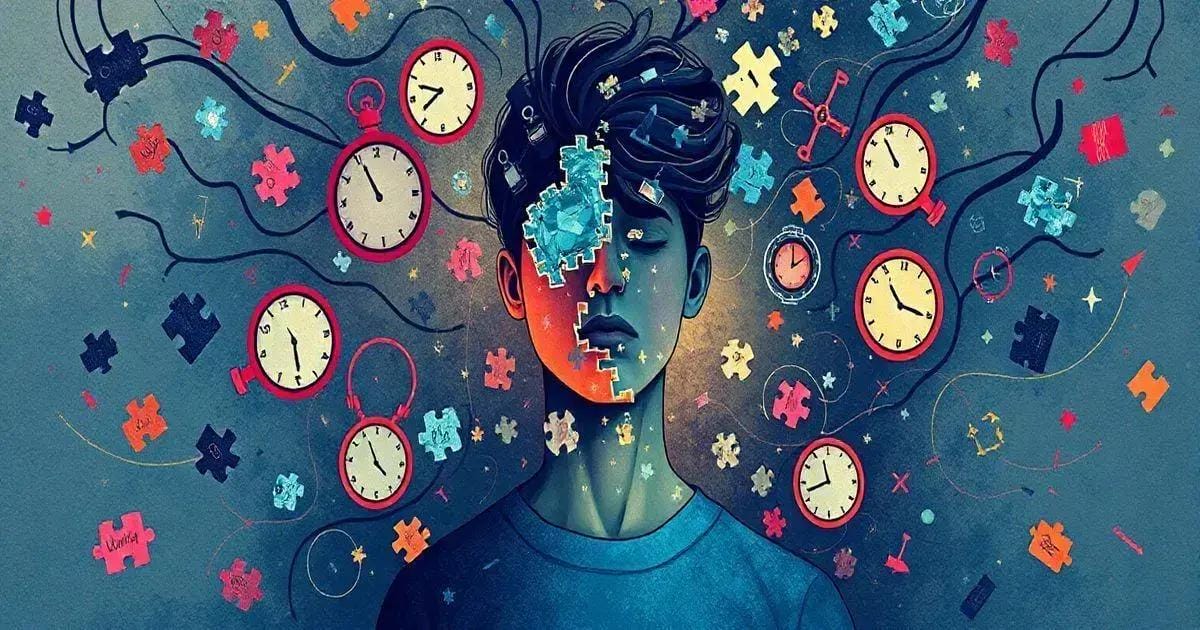
A relationship between anxiety and cognitive processes is complex and intriguing. When we are anxious, our brain goes into a state of alertness, which can interfere with various cognitive functions, such as the memory, a attention and decision-making.
One of the most common effects of anxiety is difficulty concentrating. When your mind is full of worries, it's almost impossible to focus on tasks that require attention. For example, you may notice that during an important presentation, your mind wanders, thinking of possible negative scenarios, instead of concentrating on what really matters.
In addition, anxiety can impair working memory, This is the ability to temporarily retain and manipulate information. This means that, in times of stress, you may forget important details or have difficulty following instructions. This can be especially frustrating in academic or professional environments.
Another aspect to consider is decision-making. Anxiety can lead to impulsive choices or, conversely, to decision-making paralysis, where the person feels so overwhelmed that they can't decide anything. This oscillation between acting quickly and hesitating can create a vicious cycle that increases anxiety even more.
Therefore, understanding how anxiety impacts our cognitive processes is fundamental to developing effective coping strategies and improving our quality of life.
A anxiety can have significant impacts on memory and concentration, This affects the ability to learn and retain information.
When we are anxious, the brain releases a series of hormones that prepare the body for fight or flight, but this constant state of alert can impair essential cognitive functions.
One of the main effects of anxiety on memory is the difficulty in storing new information. For example, if you're studying for an exam but you're excessively worried about the result, you may find it difficult to remember what you've read. This is because anxiety consumes cognitive resources, diverting attention away from what really matters.
In addition, anxiety can lead to memory lapses. You may have the feeling that you have forgotten something important, or even be unable to remember events that occurred during periods of high anxiety. This can be frustrating and often leads to a cycle of worry, where the person fears forgetting even more things.
When it comes to concentration, anxiety can create a chaotic mental environment. The mind can become overloaded with negative thoughts or worries, making it difficult to focus on specific tasks. For example, in a work environment, you can be easily distracted by noises or conversations around you, while your mind continues to revolve around personal or professional concerns.
Finally, it's important to note that these impacts are not permanent. With the right strategies, such as relaxation techniques and therapy, it is possible to improve memory and concentration, even in times of anxiety. Recognizing these challenges is the first step towards overcoming them and regaining control over your life and daily activities.

Managing anxiety and improve cognition may seem like a challenge, but there are several strategies that can help. Let's explore some effective practices that you can incorporate into your daily life.
One of the first strategies is to mindfulness practice. Techniques such as meditation and conscious breathing help to calm the mind and bring focus to the present moment. By dedicating a few minutes a day to meditation, you can reduce anxiety levels and improve your ability to concentrate.
Another effective approach is physical activity. Regular exercise not only helps release endorphins, which are hormones that promote a sense of well-being, but also improves cognitive function. Walking, jogging or even dance classes can be great ways to relieve tension and clear the mind.
In addition, it is essential to maintain balanced diet. Foods rich in omega-3s, such as fish and nuts, and those containing antioxidants, such as fruit and vegetables, can have a positive impact on brain health. Avoiding excess caffeine and sugar can also help stabilize mood and energy.
A organizing time is another important strategy. Creating a to-do list and prioritizing activities can help reduce feelings of overwhelm. When you have a clear plan, it's easier to focus on tasks without feeling anxious.
Finally, look for professional support is essential. Talking to a psychologist or therapist can provide valuable tools for dealing with anxiety. Therapies such as cognitive-behavioral therapy (CBT) are especially effective in helping to restructure negative thoughts and improve cognition.
By implementing these strategies into your routine, you can not only better manage anxiety, but also improve your cognitive skills, leading to a more balanced and productive life.
There are several resources and tools available to help deal with the anxiety and improve mental well-being. Let's explore some options that can make a big difference to your daily life.
One of the most accessible tools is the meditation and relaxation apps. Apps like Headspace and Calm offer guided sessions that help you practice meditation and conscious breathing. These resources are great for beginners and can be used anytime, anywhere.
Another option is gratitude diaries. Writing down what you are grateful for every day can change your perspective and help reduce anxiety. There are specific apps, such as Grateful or Day One, which facilitate this practice by allowing you to record your thoughts and feelings in a simple and organized way.
In addition, support groups, both face-to-face and online, can be extremely useful. Platforms such as Meetup or Facebook groups offer the opportunity to connect with other people facing similar challenges. Sharing experiences and hearing others' stories can provide great emotional relief.
Books and podcasts are also excellent resources. Titles such as Eckhart Tolle's “The Power of Now” or mental health-focused podcasts such as “Therapy Chat” can offer valuable insights and practical techniques for managing anxiety.
Finally, don't underestimate the power of online therapy. Platforms like BetterHelp and Talkspace connect you to mental health professionals in a practical and accessible way. This can be especially useful for those who have difficulty finding time or access to face-to-face services.
By using these resources and tools, you can find new ways to deal with anxiety and improve your quality of life. Remember that each person is unique, and it may be necessary to experiment with different approaches until you find the one that works best for you.
In short, the anxiety is a condition that can profoundly impact our cognition, This affects memory, concentration and decision-making.
However, by understanding this relationship, it is possible to adopt effective strategies to manage anxiety and improve cognitive function. Practices such as mindfulness, physical exercise, a balanced diet and the use of appropriate resources and tools can make a significant difference to the way we deal with anxiety on a daily basis.
In addition, seeking professional support and participating in support groups are important steps to finding relief and emotional support. Remember that you are not alone in this journey and that there are many options available to help you live a more balanced and productive life.
Therefore, by implementing these strategies and using the resources available, you can not only control anxiety, but also strengthen your cognitive abilities, leading to a fuller and more satisfying life.
Anxiety is the body's natural response to stress, manifesting itself physically and emotionally as tightness in the chest and excessive worry.
Anxiety can impair memory, attention and decision-making, making it difficult to concentrate and store new information.
Anxiety can lead to memory lapses and difficulty retaining information, affecting the ability to learn and carry out tasks.
Strategies such as mindfulness, physical exercise, a balanced diet and organizing time are effective in managing anxiety.
Resources such as meditation apps, gratitude journals, support groups, books and online therapy can help deal with anxiety.
Therapy, especially cognitive-behavioral therapy, can provide valuable tools for restructuring negative thoughts and improving cognition.


